

What is Insulin Resistance?
Insulin resistance is a condition where the body’s cells become less responsive to insulin, a hormone that regulates blood sugar levels. As insulin resistance develops, the body requires more insulin to achieve the same effect in reducing blood glucose levels. This increased demand can lead to the pancreas becoming unable to produce enough insulin, ultimately resulting in elevated blood glucose levels and the onset of prediabetes and type 2 diabetes.
Factors contributing to insulin resistance include genetics, excess body weight, inactivity, a diet high in sugars and processed foods, and vitamin deficiencies, especially Vitamin D (learn more about the benefits of Vitamin D and how to take is safely).
Why You Should Care
Insulin Resistance is associated with serious health issues like metabolic syndrome, cardiovascular disease, and polycystic ovary syndrome (PCOS). Identifying and addressing insulin resistance early on, through lifestyle changes such as increased physical activity and healthy eating, can prevent or delay the onset of type 2 diabetes and related health issues.
How to Measure Insulin Resistance
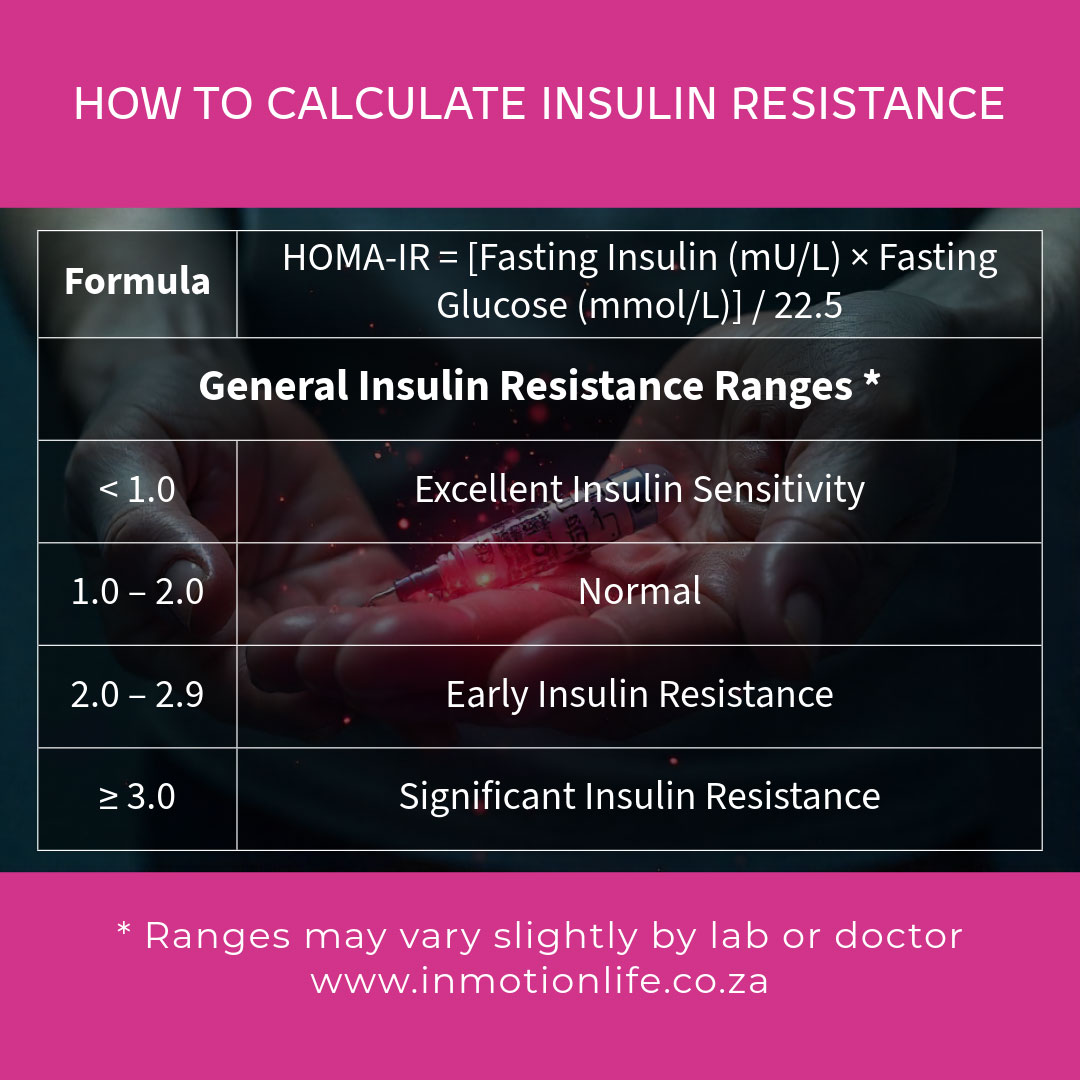
To measure insulin resistance in South Africa, we use the HOMA-IR method calculated in SI units (the International System of Units measuring standard used in South Africa and most countries around the world).
HOMA-IR Method
HOMA-IR stands for Homeostatic Model Assessment of Insulin Resistance. The meaningful part of the acronym is “insulin resistance”. It marks for both the presence and extent of any insulin resistance that you might currently express and reveals the dynamic between your baseline (fasting) blood sugar and the responsive hormone insulin.




Leave a Reply
Want to join the discussion?Feel free to contribute!