
7 Ways to Boost Your Vitamin D Levels
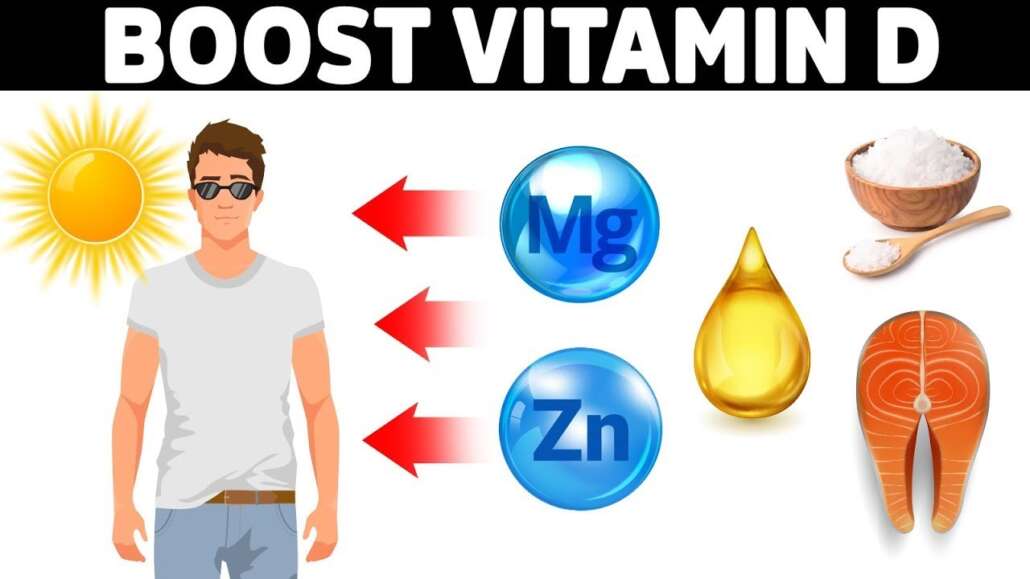
Vitamin D Deficiency & 7 Ways to Boost Your Absorption of Vitamin D
Health and wellness expert, Dr Berg explains why Vitamin D is so important, why the current RDAs are no longer valid, good sources of Vitamin D3, and barriers to absorbing vitamin D. Then he provides 7 Ways to Boost Your Vitamin D levels, and addresses Vitamin D toxicity concerns.
For your convenience, we’ve provided both the original video and a written summary of the video in case you prefer to read…
Why Vitamin D Matters
- Most people worldwide are deficient in vitamin D.
- Vitamin D is crucial not only for bone health but also for immune function, cardiovascular health, blood sugar regulation, and many other roles.
- Almost every cell in your body has vitamin D receptors.
Learn more about the importance of Vitamin D and how to take it safely.
Vitamin D RDAs Are Too Low
- The official recommended daily allowance (RDA) is about 600 IU.
- This amount is based mainly on preventing bone loss, not on all the other critical functions like immune support.
- Based on research, a maintenance dose of around 10 000 IU daily is ideal for most people, especially in winter or low-sun environments.
- 10 000 IU = 250 micrograms = 0.25 milligrams (which is a small amount).
Vitamin D Toxicity Concerns
- Toxicity usually occurs only with extremely high doses (hundreds of thousands of IU over months).
- The main risk is hypercalcemia (too much calcium in the blood), which can cause kidney stones.
- To prevent this, drink plenty of water (around 2.5 Litres per day) and avoid taking large doses of calcium supplements.
Natural Vitamin D Sources
- You cannot get enough vitamin D from your diet alone as foods contain relatively little Vitamin D.
- The main source of vitamin D is sun exposure: ultraviolet rays convert cholesterol in your skin to vitamin D.
Barriers to Vitamin D Absorption
- Low stomach acid reduces absorption.
- Gut inflammation hinders absorption.
- Kidney and liver problems limit conversion to active vitamin D.
- Low bile production (due to liver damage) impairs absorption.
- Insulin resistance and diabetes lower vitamin D absorption.
- Genetic polymorphisms can reduce receptor sensitivity (requiring higher doses).
- Higher body fat means more vitamin D is sequestered in fat and less available.
- Gastric bypass surgery reduces absorption.
- Low microbiome diversity impairs absorption.
- Stress decreases absorption.
- Low-fat or low-cholesterol diets and statin use limit raw materials for vitamin D synthesis.
- Vitamin D is fat-soluble and is therefore best taken with fat or oil for better absorption.
- Dark skin requires more vitamin D due to melanin blocking UV rays.
- Aging skin absorbs less vitamin D.
- Living in higher latitudes or during winter months reduces UV exposure and vitamin D production.
- Magnesium and zinc deficiencies limit vitamin D absorption and function.
- Lack of outdoor time greatly contributes to deficiency.
7 Ways to Boost Your Vitamin D Levels
- Get at least 1 hour of sun exposure daily, exposing arms and legs (avoid sunburn).
- Take vitamin D with fat or MCT oil to improve absorption; include magnesium and zinc-rich foods or supplements.
- Adopt keto and intermittent fasting to improve bile production, reduce insulin resistance, lower inflammation, and aid weight loss, all of which help your vitamin D status.
- Consume more fatty fish or cod liver oil (cod liver oil also provides vitamin A and D, unlike fish oil supplements).
- Take liquid vitamin D supplements for better absorption, especially if you have gut or stomach issues.
- If you have genetic receptor issues, increase vitamin D doses (e.g., 30 000 IU maintenance instead of 10 000 IU).
- Increase bile production through supplements or liver-supportive practices to enhance vitamin D absorption.
Final Notes
- Always pair vitamin D with vitamin K2 to ensure calcium goes to the bones and not soft tissues like arteries or joints.
- Getting outside enough is crucial since modern indoor lifestyles cause widespread vitamin D deficiency.
We hope this video and summary has been informative, however, if you have any questions or concerns, or you would like to share your own thoughts and experiences with Vitamin D supplements and its cofactors, please post them in the comments below.


Leave a Reply
Want to join the discussion?Feel free to contribute!