
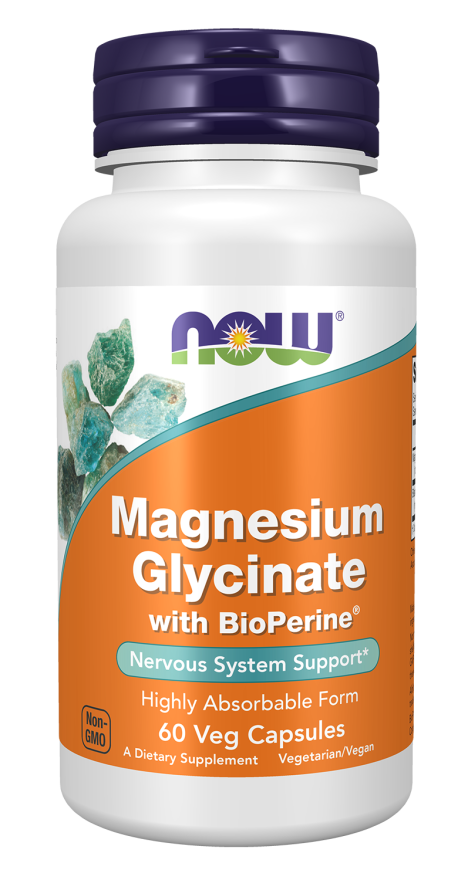
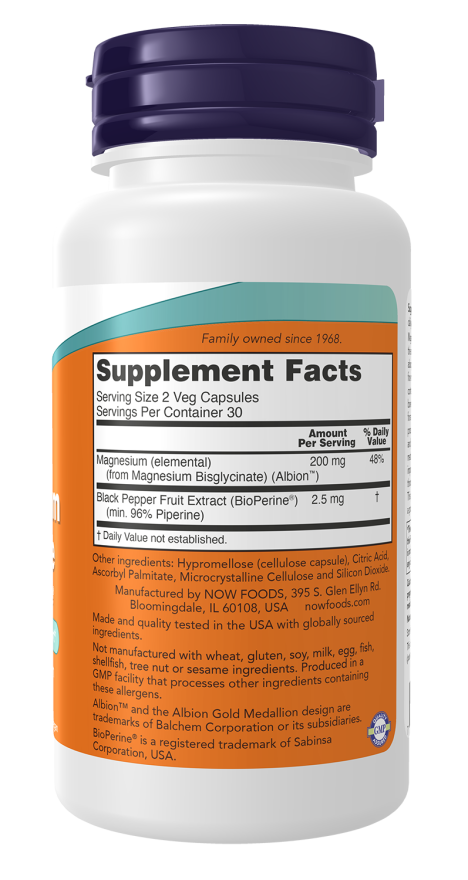


Magnesium plays an essential role in energy production, metabolism, muscle function, nerve signalling, and bone formation. It also serves as a necessary cofactor for roughly 300 enzymes involved in key biological processes, including the production of fats and proteins and the metabolism of glucose. In addition, adequate magnesium levels help regulate calcium balance by influencing parathyroid gland activity.
What is Magnesium Glycinate
Magnesium Glycinate is a combination of magnesium and glycine which is an amino acid that aids in better absorption in the intestine (80% – 90% bioavailable) and is more suitable for sensitive stomachs than other forms of Magnesium.
What is BioPerine and why is it included
This specific Magnesium Glycinate formula includes BioPerine®, a patented black pepper extract designed to enhance absorption.
BioPerine slows down the enzymes that break down several nutrients from Vitamins, Minerals and antioxidants, making them significantly more bioavailable and better absorbed into the blood. It also increases blood flow to the gut, can act as a thermogenic metabolism booster, contains antioxidant properties that help fight inflammation, and can enhance mood due to its antidepressant properties.
Why Magnesium Supplementation may be Necessary
Many people around the world are unfortunately deficient in Magnesium due to lifestyle, dietary, and medical factors. We’ve outlined the primary causes and symptoms of a Magnesium deficiency, the benefits of Magnesium, and the types of Magnesium supplements and their various benefits below, some of which are not recommended due to poor absorption or adverse side effects.
Benefits of Magnesium Glycinate
- Relieves Migraines
- Precursor to glutathione which helps the body’s detoxification system
- Keeps cortisol stress low and enhances your mood
- Relaxation and Sleep
- Muscle function and Health
Video: The Unique Benefits of Magnesium Glycinate & How It’s Different
Learn more about the importance of Magnesium Glycinate as a cofactor to Vitamin D3 here.
Dietary & Lifestyle Factors that cause Magnesium Deficiency
- A Diet low in Magnesium rich foods like:
- 3 cups of salads and dark leafy greens
- One whole Avocado = 58 mg
- One Medium Banana = 32 mg
- Small Papaya = 33 mg
- 1 cup Blackberries = 29 mg
- A Diet containing high amounts of processed and refined foods
- High sugar and salt intake can cause the excretion and depletion of magnesium
- Alcohol and Coffee can affect absorption and flush out magnesium quicker
- Prolonged and high stress levels
- Sweating excessively through intense exercise or Diuretics
Symptoms of Magnesium Deficiency
- Fatigue
- Depression
- Leg and foot cramps
- Restless leg syndrome, abnormal twitching in the eye and muscles
- Heart palpitations
Severe Magnesium deficiencies are believed to increase long term health risks like, heart attacks, Diabetes, Osteoporosis, and high blood pressure.
Video: The Low Magnesium Epidemic: Dr. Berg Explains Signs, Symptoms, Causes, and Treatment
Types of Magnesium and their benefits
- Oxide, Sulphate, Carbonate: these are the least recommended types of Magnesium due to their poor absorption rate. Magnesium oxide can also have adverse effects on the gut, and could lead to diarrhea, upset stomach, bloating, and gas.
- Citrate: muscle cramps, stress, blood pressure, but can also have a laxative effect.
- Glycinate: most recommended form, highly bioavailable, gentle on the stomach and helps with relaxation and sleep.
- L-Threonate: Mental clarity and cognitive function
Recommended Dose and Time to take Magnesium
Before bed, with or without meals, or you can split your dosages between the morning and night. Most health experts recommend 300 – 400mg of elemental magnesium per day.
RDA to prevent deficiency
- Men: 420mg
- Women: 320mg
💡Did you know: Low Magnesium levels can cause chocolate cravings… however, you can have dark chocolate with a cocoa content of 70% or more in moderation, as it contains magnesium and other minerals or opt for other healthier snack options like cashew nuts, raisins, pumpkin seeds or raspberries.
Important Note: It is not recommended to take Magnesium together with high doses of calcium or multi-vitamin supplements, as they reduce the absorption of each other. Take them at least 2 hours apart. Vitamin D3 and B6 are recommended to assist with Magnesium absorption.
Always check with your doctor before taking supplements, Magnesium could possibly inhibit the functions of certain prescribed medications.
Natural colour variation may occur in this product.



Reviews
There are no reviews yet.